Tree Care Tips
How Improper Pruning Shortens a Tree’s Lifespan
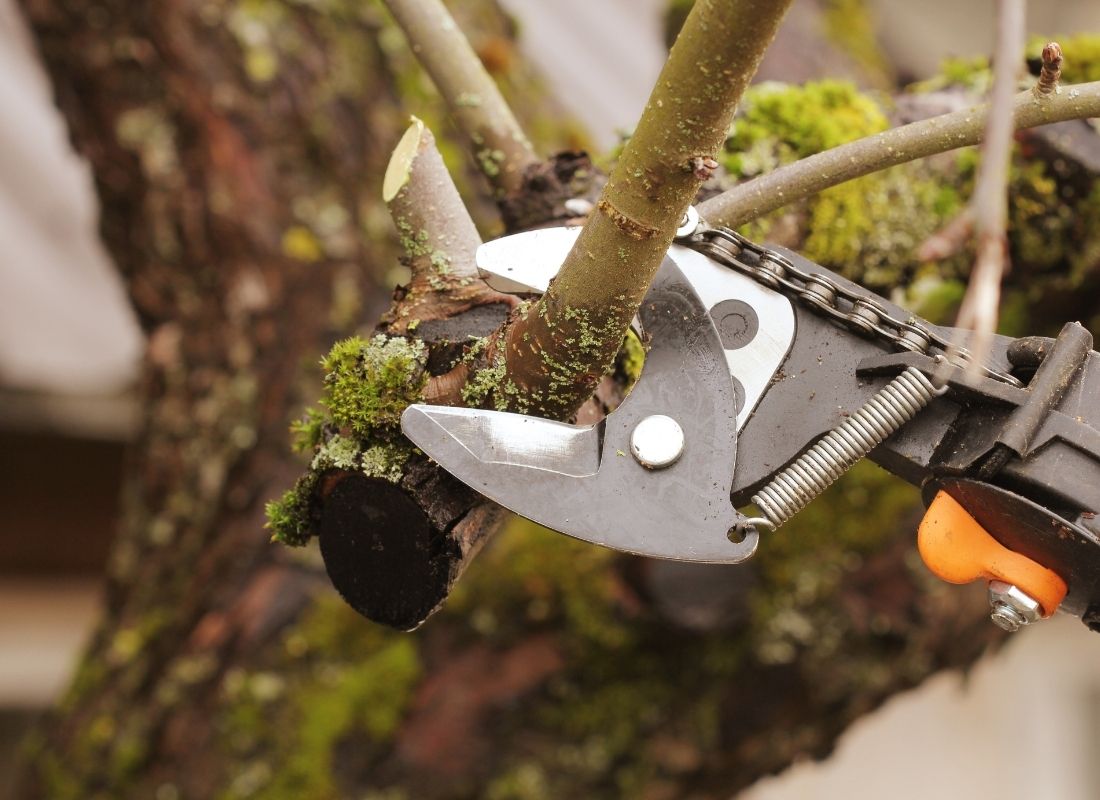
Pruning is one of the most common tree care tasks—and one of the most misunderstood. While trimming may seem simple, doing it incorrectly can cause long-term damage, increase a tree’s vulnerability to disease, and ultimately shorten its lifespan.
This guide explores how improper pruning affects tree health and longevity—and what you can do instead to support strong, resilient growth.
The Lifelong Impact of Poor Pruning
When a tree is pruned improperly—too aggressively, at the wrong time of year, or with the wrong cuts—the damage goes far beyond appearance. It becomes more vulnerable to sunscald, pest infestations, and decay at the wound sites. Cuts made too close to the trunk, known as flush cuts, interrupt the tree’s natural healing process. Topping—removing large limbs down to stubs—can shock the system, forcing weak regrowth that’s prone to breakage.
These mistakes disrupt the tree’s ability to transport nutrients, weakening its structure and reducing its resilience to storms and drought. Over time, the entire canopy suffers, and the risk of early decline increases. What might seem like a quick cleanup can quietly shorten a tree’s lifespan.
That’s why understanding proper pruning techniques is so important. Every cut affects a tree’s long-term health, and good pruning should support—not sabotage—its natural growth and stability.
Signs of Improper Pruning
Wondering if your tree’s past trimming may be doing more harm than good? Look for these common red flags:
- Stubbed branches (where the cut wasn’t made at a natural growth point)
- Excessive canopy removal (removing more than 25% at once)
- Flush cuts (cuts made too close to the trunk)
- Topping (cutting large branches down to stubs)
Each of these mistakes disrupts the tree’s natural healing process and weakens its ability to recover, which may result in the need for a tree removal.
Timing Matters: When (and When Not) to Prune
The best time to trim trees in Texas varies by species and purpose. For most native trees, late winter is ideal—it minimizes sap loss and reduces the risk of disease.
However, there are exceptions:
- Live oaks, common across Georgetown and Central Texas, benefit from a specific live oak pruning schedule: typically mid-winter (January to early February) to avoid oak wilt transmission.
- Fall can be risky for trimming, especially when trees are entering dormancy. Still, a fall tree trimming checklist might include removing dead limbs or addressing hazards ahead of winter storms.
- Winter tree trimming in Texas can be a safe, strategic move—especially for shaping, thinning, or removing damaged limbs before spring growth begins.
- For homeowners preparing for severe weather, storm prep tree trimming in early spring or late winter can help reduce the chance of limb failure during high winds.
Understanding Pruning Techniques: It’s Not One-Size-Fits-All
There’s more than one way to prune a tree—and choosing the right method matters.
Two common strategies that are often confused are crown thinning and crown reduction:
- Crown thinning removes selective interior branches to increase air circulation and reduce weight, while maintaining the tree’s natural shape.
- Crown reduction shortens the overall height or width of a tree, usually for clearance or safety reasons, but should be done with caution to avoid shock.
Effective tree canopy management depends on the tree’s species, age, structural goals, and environmental conditions. A one-size-fits-all approach can lead to unintentional damage.
How to Prune a Tree Without Damaging It
Here are a few essential tips every homeowner should know:
- Cut outside the branch collar, not flush to the trunk. This allows the tree to form a protective callus and heal naturally.
- Use clean, sharp tools to prevent tearing or infection.
- Avoid over-pruning. Never remove more than 20–25% of the canopy in one season.
- Trim at the right time. Pruning during active growth (spring/summer) can increase stress and sap loss.
- Don’t top trees. This outdated practice severely weakens structure and encourages unstable regrowth.
If you're unsure, searching for tree trimming near me can help you find professionals who specialize in sustainable, health-conscious techniques.
The Role of Seasonal Maintenance in Tree Longevity
Trees thrive with regular, mindful care—not reactive, aggressive cutting. Think of pruning as part of a broader tree health maintenance strategy that includes:
- Seasonal inspections
- Disease monitoring
- Soil health and watering plans
- Strategic, minimal pruning based on growth patterns
Properly timed, species-appropriate cuts keep your trees healthy, beautiful, and structurally sound for decades.
Should You DIY or Call a Pro?
While small pruning tasks may be safe for homeowners, larger or high-branch work is best left to certified arborists. Trained experts understand how to preserve structure while reducing risk—and they know how to avoid the kinds of cuts that can set a tree back years.
Those searching for tree pruning services in Austin or Central Texas should look for providers with ISA certification, positive reviews, and experience working with local species like live oaks, cedar elms, and pecans.
Common Questions About Tree Pruning and Health
What happens if you prune a tree too much?
Over-pruning can weaken the tree’s structure, stress its energy reserves, and expose it to disease and sun damage. It often leads to sparse growth and can shorten the tree’s lifespan.
How do I prune a tree without damaging it?
Use clean tools, cut just outside the branch collar, avoid over-removal (no more than 20–25% of the canopy), and never top a tree. Timing also matters—winter is often best in Texas.
Is it OK to trim trees in the fall?
Fall trimming can be risky since trees are preparing for dormancy. However, light pruning or removing dead limbs for storm prep may be beneficial if done carefully.
What’s the difference between crown thinning and crown reduction?
Crown thinning removes interior branches to reduce weight and improve airflow. Crown reduction shortens the height or spread—used for clearance or hazard mitigation.
Final Thoughts
When done right, pruning helps trees grow stronger, look better, and live longer. But when done wrong, it can slowly degrade a tree’s health from the inside out.
Understanding timing, technique, and tree biology is key to making cuts that heal—not harm. Whether you're checking off a fall tree trimming checklist or scheduling winter prep, don’t rush the process. A little planning today can add years to your tree’s life.
Need more inspiration? Be sure to read all tree care blogs!
Want Your Trees Pruned the Right Way?
Tree Scouts follows ANSI A300 pruning standards on every job — no topping, no over-cutting, no shortcuts. Our ISA certified arborists serve Georgetown, Leander, Lakeway, Austin, Cedar Park, Round Rock, and Hutto. Schedule your free consultation or call 512-265-0861.
Professional Tree Trimming · Arborist Services · Oak Wilt Treatment
Free estimate
Not sure what your trees need?
Book a free estimate with an ISA Certified Arborist. We walk your property, tell you what actually needs doing, and put the plan in writing. No pressure and no upsell.
500+ five-star Google reviews · ISA Certified Arborists · Insured crews · Scouts Honor promise
About the Author
Levi Williams, ISA Certified Arborist #TX-4955A | TRAQ Qualified | Wildfire Risk Reduction Qualified (WRRQ) | TDA Pesticide License #0933008 | Urban Forestry #TX-4955AF
Levi is the lead arborist at Tree Scouts Tree Service, headquartered in Georgetown, TX. His expertise has been cited by Martha Stewart for fruit tree pruning guidance. He oversees all arborist assessments, treatment plans, and crew operations across 12 Central Texas service areas. Levi follows ISA and ANSI A300 standards on every project.

Request your free quote
Tell us about your trees and a real Tree Scout will get back to you quickly. We only use your information to prepare your quote.
What happens next
1
We reach out fast to confirm details, by call or text, whichever you prefer.
2
A Tree Scout confirms your free flat-rate quote on site.
3
We do the work, clean up, and walk the finished job with you. Pay the balance only when you are happy.
What We Do
Complete Tree Care for Central Texas Homes and HOAs
Every service is quoted free on site, overseen by an ISA Certified Arborist, and finished with a walkthrough before the balance is collected.

Tree Trimming
ANSI A300 pruning for live oaks and shade trees. No topping, no over-thinning.
Learn more
Tree Removal
Safe takedowns near homes, fences, and lines, with complete haul-off and cleanup.
Learn more
Stump Grinding
Flat-rate grinding 6 to 8 inches below grade, ready for sod or replanting.
Learn more
Oak Wilt Treatment
Propiconazole trunk injections and prevention plans for Central Texas oaks.
Learn more
Tree Fertilization
Deep root feeding matched to Central Texas soil and your tree species.
Learn more
Tree Planting
Right tree, right place. We source, deliver, and plant for long-term health.
Learn more
Arborist Services
Diagnosis, risk evaluation, and written reports from certified arborists.
Learn more
Emergency Tree Service
Storm damage and hazardous trees handled fast, any day of the week.
Learn moreCommon Questions
How does improper pruning damage a tree?
It can lead to weak branch attachments, wounds that don’t heal, bark loss, increased disease, insect entry, and structural failure.
What are pruning best practices?
Use proper cuts at branch collars, avoid topping, prune during correct seasons, and don’t remove more than 25-30% of canopy.
Can damage from bad pruning be reversed?
Partial recovery is possible with corrective pruning, wound care, and monitoring—though not all mistakes are fully fixable.
Related Tips


Service Areas
Tree Care Across Central Texas
Tree Scouts provides ISA standard tree trimming, tree removal, and arborist care across Georgetown, Leander, Lakeway, Austin, Cedar Park, Round Rock, Pflugerville, Hutto, and the surrounding Hill Country. Every estimate is free and walked by an ISA Certified Arborist.
Georgetown
Tree care in Georgetown, TX
Leander
Tree care in Leander, TX
Austin
Tree care in Austin, TX
Cedar Park
Tree care in Cedar Park, TX
Round Rock
Tree care in Round Rock, TX
Lakeway
Tree care in Lakeway, TX
Pflugerville
Tree care in Pflugerville, TX
Hutto
Tree care in Hutto, TX
Liberty Hill
Tree care in Liberty Hill, TX
Bee Cave
Tree care in Bee Cave, TX
Dripping Springs
Tree care in Dripping Springs, TX
Marble Falls
Tree care in Marble Falls, TX