Tree Care Tips
Austin Heritage Tree Ordinance: Permits, Fines and What Homeowners Need to Know
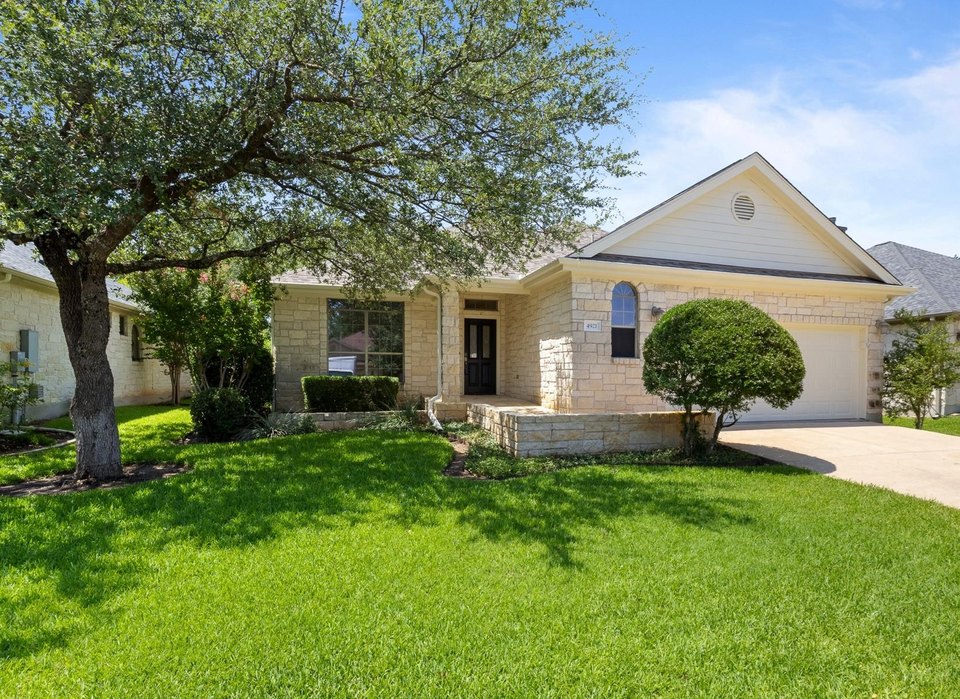
Austin Has One of the Strictest Tree Ordinances in Texas
If you own property in Austin, you need to understand the city's tree ordinance before you touch a chainsaw — or hire someone who does. Austin's heritage tree protections are among the toughest in the state, and the fines for violations are steep enough to turn a $2,000 tree removal into a $15,000 mistake.
I deal with Austin's tree permit process every week. Here's what you actually need to know, without the legalese.
What Qualifies as a Heritage Tree in Austin?
Under Austin's Land Development Code, a heritage tree is any tree with a trunk diameter of 19 inches or more, measured at 4.5 feet above ground level (called DBH — diameter at breast height). For certain protected species, the threshold drops to lower diameters.
To put that in practical terms: if you can't wrap your arms around the trunk, it's probably a heritage tree. Most mature live oaks in established Austin neighborhoods like Tarrytown, Zilker, Barton Hills, and Travis Heights easily exceed 19 inches. Many are well over 30 inches.
Species you'll commonly encounter as heritage trees in Austin include live oaks (the most common), Shumard red oaks, pecan trees, cedar elms, and bald cypress along waterways. Even some large Ashe junipers (cedar) can qualify if they hit the diameter threshold, though they're less commonly flagged.
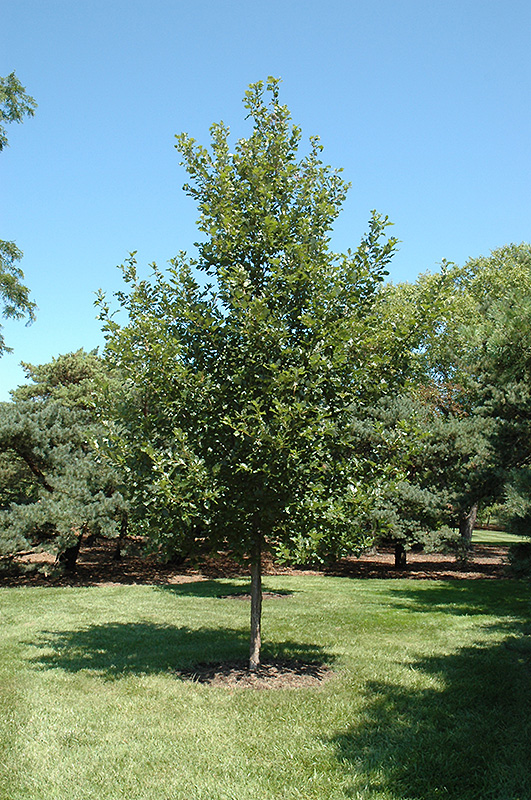
When Do You Need a Tree Removal Permit in Austin?
You need a permit from the City of Austin any time you want to remove, destroy, or seriously damage a heritage tree (19 inches or more DBH) on your property. This applies whether the tree is healthy, declining, or dead — the permit requirement is based on size, not condition.
Situations that require a permit:
- Removing any tree 19 inches DBH or larger
- Construction or grading within the critical root zone (CRZ) of a heritage tree
- Installing driveways, pools, foundations, or utilities near heritage trees
- Land clearing for new development
Situations that generally do NOT require a permit:
- Removing trees under 19 inches DBH on residential property (though some subdivision covenants may still require HOA approval)
- Routine maintenance pruning that removes less than 25% of the live canopy
- Removing dead branches or deadwood
- Emergency removal of a tree that poses an imminent threat to life or property (but you need to document the emergency and notify the city afterward)
How the Austin Tree Permit Process Works
The permit process goes through the City of Austin's Development Services Department. Here's what to expect:
Step 1: Get an arborist assessment. Before you apply, have an ISA certified arborist assess the tree and provide a written report documenting the species, size, condition, and justification for removal. This report is required for the permit application.
Step 2: Submit the application. You'll need the arborist report, a site plan showing the tree's location relative to structures, and the permit application form. The city reviews applications on a rolling basis — typical turnaround is 2-4 weeks, though it can stretch longer during busy periods.
Step 3: City review and conditions. The city arborist will review your application and may conduct a site visit. If approved, the permit often comes with conditions — most commonly, mitigation requirements including replacement plantings or payment into the city's tree fund.
Step 4: Complete mitigation. Replacement ratios vary based on the size and species of the tree removed. For large heritage oaks, the city may require replacing the caliper inches at a ratio that amounts to planting 5-10 or more new trees. Alternatively, you can pay into the city's tree planting fund at a per-inch rate.
What Happens If You Remove a Heritage Tree Without a Permit?
This is where it gets expensive. Fines for unauthorized removal of a heritage tree in Austin can include:
- Administrative fines of $500 to $5,000+ per tree
- Mandatory mitigation costs — replacement plantings at the city's prescribed ratio, which can run $5,000 to $20,000+ for a large oak
- Stop-work orders on any associated construction projects
- Criminal penalties in egregious cases
I've seen homeowners get caught when a neighbor reported the removal, when a city inspector noticed a missing tree during a routine site visit, or when aerial imagery flagged the change. The city does enforce this, and the penalties often exceed what a legitimate permitted removal would have cost in the first place.
Even tree companies can face consequences. Any legitimate Austin tree service should check heritage tree status before removing anything over 15 inches DBH as a safety margin.
Austin Tree Rules vs. HOA Rules
Here's what trips people up: even if the city doesn't require a permit (because the tree is under 19 inches), your HOA might. Austin neighborhoods with active HOAs often have their own tree removal requirements that go above and beyond city code:
Tarrytown / Pemberton Heights: These established neighborhoods have active preservation committees. While not formal HOAs in every case, community pressure around tree removal is real.
Circle C Ranch: HOA requires architectural review committee approval before removing any tree visible from the street.
Steiner Ranch: Strict landscape modification requirements through the HOA. We work in Steiner Ranch regularly and handle HOA coordination as part of the removal process.
Mueller / East Austin developments: Newer developments often have tree preservation easements built into the plat that restrict removal even on private lots.
Always check both city requirements AND your HOA's CC&Rs before scheduling removal work.
Protected Trees During Construction
If you're building, renovating, or adding to your Austin property, the tree ordinance has significant implications. Any construction activity within the critical root zone (CRZ) of a heritage tree requires special provisions:
The CRZ is calculated as one foot of radius per inch of trunk diameter. So a 24-inch oak has a critical root zone extending 24 feet from the trunk in every direction. That's a 48-foot diameter circle where construction activities — including trenching, grading, equipment staging, and material storage — are restricted or prohibited without tree protection plans.
Builders are required to install protective fencing around heritage trees before any work begins and maintain it throughout construction. Violations during construction can result in the same fines as unauthorized removal, plus potential hold-ups on your certificate of occupancy.
The Oak Wilt Connection
Austin sits in the heart of Central Texas's oak wilt zone. While the city ordinance doesn't explicitly prohibit pruning during oak wilt season (February through June), any responsible arborist follows the seasonal pruning restrictions to prevent disease spread.
If you're dealing with a heritage oak that shows signs of decline or disease, an arborist report documenting oak wilt infection can actually streamline the permit process — the city prioritizes removal of infected oaks to prevent further spread through root grafts to neighboring trees.
How Tree Scouts Handles Austin Tree Permits
When you call us for an assessment in Austin, we check every tree against the heritage threshold before recommending anything. If a permit is needed, we handle the arborist report, submit the application, coordinate with the city arborist's office, and manage mitigation requirements. The entire process is included in our scope — you don't navigate the bureaucracy alone.
Our lead arborist, Levi Williams (ISA Certified #TX-4955A), provides the documentation the city requires. Having a credentialed arborist on the application significantly smooths the review process compared to submissions from non-certified companies.
Get Your Free Austin Tree Assessment
Not sure if your tree is protected? Need help navigating the permit process? Tree Scouts provides free on-site assessments for all Austin properties, plus Lakeway, Bee Cave, Steiner Ranch, Dripping Springs, Cedar Park, and Georgetown. Schedule your free assessment or call 512-265-0861.
Tree Removal Services · Arborist Consultations · Oak Wilt Treatment
Free estimate
Not sure what your trees need?
Book a free estimate with an ISA Certified Arborist. We walk your property, tell you what actually needs doing, and put the plan in writing. No pressure and no upsell.
500+ five-star Google reviews · ISA Certified Arborists · Insured crews · Scouts Honor promise
About the Author
Levi Williams, ISA Certified Arborist #TX-4955A | TRAQ Qualified | Wildfire Risk Reduction Qualified (WRRQ) | TDA Pesticide License #0933008 | Urban Forestry #TX-4955AF
Levi is the lead arborist at Tree Scouts Tree Service, headquartered in Georgetown, TX. His expertise has been cited by Martha Stewart for fruit tree pruning guidance. He oversees all arborist assessments, treatment plans, and crew operations across 12 Central Texas service areas. Levi follows ISA and ANSI A300 standards on every project.

Request your free quote
Tell us about your trees and a real Tree Scout will get back to you quickly. We only use your information to prepare your quote.
What happens next
1
We reach out fast to confirm details, by call or text, whichever you prefer.
2
A Tree Scout confirms your free flat-rate quote on site.
3
We do the work, clean up, and walk the finished job with you. Pay the balance only when you are happy.
What We Do
Complete Tree Care for Central Texas Homes and HOAs
Every service is quoted free on site, overseen by an ISA Certified Arborist, and finished with a walkthrough before the balance is collected.

Tree Trimming
ANSI A300 pruning for live oaks and shade trees. No topping, no over-thinning.
Learn more
Tree Removal
Safe takedowns near homes, fences, and lines, with complete haul-off and cleanup.
Learn more
Stump Grinding
Flat-rate grinding 6 to 8 inches below grade, ready for sod or replanting.
Learn more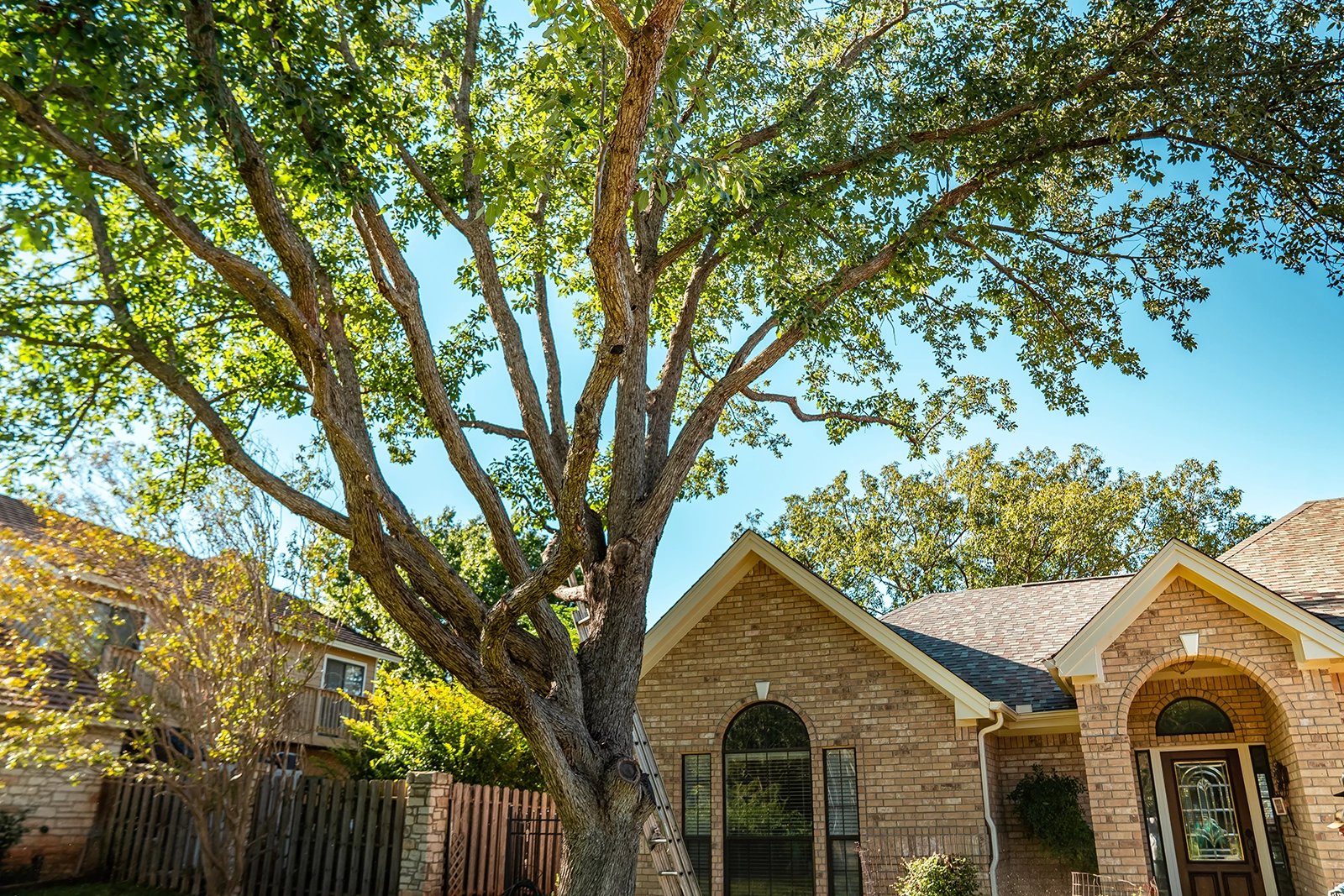
Oak Wilt Treatment
Propiconazole trunk injections and prevention plans for Central Texas oaks.
Learn more
Tree Fertilization
Deep root feeding matched to Central Texas soil and your tree species.
Learn more
Tree Planting
Right tree, right place. We source, deliver, and plant for long-term health.
Learn more
Arborist Services
Diagnosis, risk evaluation, and written reports from certified arborists.
Learn more
Emergency Tree Service
Storm damage and hazardous trees handled fast, any day of the week.
Learn moreCommon Questions
What is a heritage tree in Austin TX?
A heritage tree in Austin is any tree with a trunk diameter of 19 inches or more measured at 4.5 feet above ground, or 24 inches for certain species. Heritage trees are protected by city ordinance and require permits before removal, with significant fines for violations.
How much is the fine for removing a heritage tree in Austin without a permit?
Fines for unauthorized removal of a heritage tree in Austin can range from $500 to $5,000 per tree or more, plus mandatory mitigation costs including replacement plantings at prescribed ratios. The total cost often exceeds what a legitimate permitted removal would have cost.
Do I need a permit to trim a heritage tree in Austin?
Routine maintenance pruning that removes less than 25% of the canopy generally does not require a permit. However, major structural pruning or any work that significantly alters the tree may require city approval. When in doubt, consult a certified arborist before cutting.
Related Tips

Service Areas
Tree Care Across Central Texas
Tree Scouts provides ISA standard tree trimming, tree removal, and arborist care across Georgetown, Leander, Lakeway, Austin, Cedar Park, Round Rock, Pflugerville, Hutto, and the surrounding Hill Country. Every estimate is free and walked by an ISA Certified Arborist.
Georgetown
Tree care in Georgetown, TX
Leander
Tree care in Leander, TX
Austin
Tree care in Austin, TX
Cedar Park
Tree care in Cedar Park, TX
Round Rock
Tree care in Round Rock, TX
Lakeway
Tree care in Lakeway, TX
Pflugerville
Tree care in Pflugerville, TX
Hutto
Tree care in Hutto, TX
Liberty Hill
Tree care in Liberty Hill, TX
Bee Cave
Tree care in Bee Cave, TX
Dripping Springs
Tree care in Dripping Springs, TX
Marble Falls
Tree care in Marble Falls, TX