Tree Care Tips
Tree Risk Management: How Central Texas Homeowners Can Protect Their Property
Tree risk management keeps your family safe and your property protected. For homeowners in Leander, Georgetown, and the Austin area, understanding how certified arborists assess tree hazards can prevent costly damage and dangerous situations, especially with our unpredictable Texas weather.
This process involves regular inspections, professional risk assessment, strategic mitigation, and detailed documentation. At Tree Scouts, our ISA Tree Risk Assessment Qualified (TRAQ) arborist uses proven methods to identify problems before they become emergencies.
Whether you're concerned about storm damage, dead branches over your home, or oak wilt spreading through your property, knowing the components of tree risk management helps you make informed decisions about your trees.

What Is Tree Risk Management?
Tree risk management is the systematic process of identifying, assessing, and reducing hazards caused by trees on your property. It's not about removing every tree that could be dangerous, it's about understanding which trees pose real risks and addressing those risks appropriately.
This work requires specialized training. An ISA Tree Risk Assessment Qualified arborist evaluates multiple factors using a standardized matrix system that considers tree health, structural integrity, environmental conditions, and what's at risk if the tree fails.
For Central Texas properties, risk management is particularly important because of:
- Severe spring and summer storms with high winds
- Extended drought periods that stress trees
- Oak wilt disease killing thousands of oaks annually
- Expansive clay soils that destabilize root systems
- Mature trees near homes, cars, and power lines
The Four Components of Tree Risk Management
1. Regular Inspections
Professional tree inspections catch problems before they become tragedies. These aren't casual walk-throughs—they're systematic evaluations by trained arborists who know what to look for.
Inspection frequency for Central Texas homeowners:
- Annual inspections for most residential properties
- Bi-annual inspections if you have large trees near structures
- Post-storm inspections after severe weather events
- Immediate inspection if you notice sudden changes (leaning, cracks, canopy dieback)
During inspections, arborists examine:
- Trunk and major limb structure
- Root collar health and stability
- Disease or pest signs (especially oak wilt in live oaks)
- Deadwood throughout the canopy
- Cracks, splits, or weak branch attachments
- Proximity to targets like homes, vehicles, or play areas
2. Risk Assessment

Once an arborist inspects your trees, they assess the actual level of risk each tree poses. This isn't guesswork—it's a structured evaluation based on industry standards.
An arborist evaluates:
Tree factors:
- Species (some fail more easily than others)
- Size and age
- Overall health and vigor
- Structural defects or previous damage
- Disease presence, particularly oak wilt
Site conditions specific to Central Texas:
- Soil type and drainage (our clay soils shift)
- Recent weather patterns (drought, storms)
- Sun exposure and prevailing winds
- Competition with nearby trees
Target analysis:
- What could be damaged if the tree fails?
- How often do people occupy that area?
- What are the consequences of failure?
The combination of these factors produces a risk rating: low, moderate, high, or extreme, which guides what action, if any, is needed.
3. Mitigation
After identifying risks, the arborist develops a plan to reduce those risks to acceptable levels. The solution depends on the specific tree, the level of risk, and your priorities as a property owner.
Common mitigation strategies:
Pruning:
- Remove dead or weak branches through professional tree trimming
- Thin the canopy to reduce wind resistance
- Eliminate weak branch unions
- Create clearance from structures
Cabling and bracing:
- Install support systems in valuable trees with structural weaknesses
- Particularly useful for mature live oaks with heavy horizontal limbs
Tree removal:
- When risk can't be adequately reduced through other methods
- For trees killed by oak wilt or other diseases
- When structural defects are too severe
Root zone care:
- Improve soil drainage and health
- Protect roots during construction
- Deep root fertilization to improve tree vigor
Oak wilt prevention:
- Seal oak cuts immediately and sanitize tools between trees, every month of the year
- Treat wounds properly
- Trench to prevent root graft spread
At Tree Scouts, we prioritize keeping healthy trees whenever we can. Sometimes that means telling you a tree doesn't need work, even when we could make money removing it.
4. Documentation
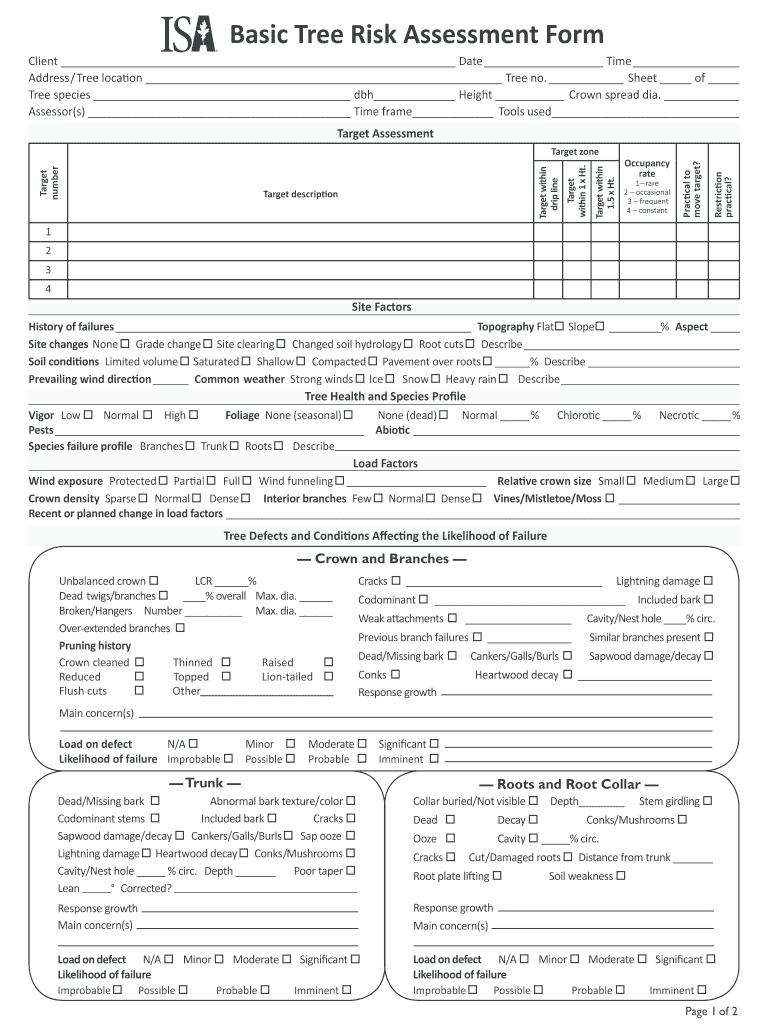
Keeping detailed records of every tree inspection serves two important purposes: legal protection and long-term tree health tracking.
Legal liability protection:
- Shows you maintained your property responsibly
- Provides evidence if a tree-related incident occurs
- Supports insurance or legal claims
Tree health tracking:
- Creates a baseline for monitoring changes
- Identifies patterns over time
- Guides future care with historical context
Professional documentation includes:
- Written reports with risk ratings
- Photos of current conditions
- Specific recommendations prioritized by urgency
- Follow-up schedules based on risk levels
For homeowners selling property or dealing with HOA requirements, having professional tree assessments on file demonstrates responsible property stewardship.
Why Tree Risk Management Matters for Central Texas Properties
Our region presents unique challenges that make professional risk assessment more important than in other parts of the country.
Oak wilt kills trees fast. Once a live oak contracts oak wilt, it can die within weeks to months. Dead oaks become brittle and hazardous quickly. Knowing which trees are infected, and which are at risk, helps you plan appropriately.
Storms are severe and unpredictable. Spring thunderstorms can bring 70+ mph winds with little warning. Trees that look fine in calm weather can fail catastrophically in high winds if they have hidden defects.
Property values are rising. As Central Texas real estate continues to appreciate, the stakes get higher. A large tree falling on your home can cause $50,000+ in damage. Prevention costs a fraction of that.
Liability is real. If your tree falls on a neighbor's property or injures someone, you could be liable—especially if you knew (or should have known) the tree was hazardous.
How Tree Scouts Approaches Tree Risk Management
Our ISA certified arborist, Levi Williams, holds the Tree Risk Assessment Qualification that demonstrates specialized training in systematic risk evaluation. This isn't something every tree service offers - it requires additional education and testing beyond basic arborist certification.
When you schedule an assessment with Tree Scouts:
We inspect thoroughly. We don't rush. We examine trees from multiple angles, check for signs invisible to untrained eyes, and document what we find.
We explain clearly. Learn more about our arborist services and how we approach tree health. No jargon, no technical talk you can't understand. We show you what we're seeing and why it matters.
We're honest about what you need. If a tree is safe, we'll tell you—even if we could make money removing it. If a tree is dangerous, we'll explain why and give you options.
We document everything. You get a written report you can keep for your records, share with insurance, or use for future reference.
We only ask for 25% down. Most tree services require 50% or more upfront. We trust you, and our deposit structure reflects that.
Our tree health services include comprehensive assessments for residential and commercial properties throughout the Austin area.
When to Schedule a Tree Risk Assessment
Don't wait for obvious problems. Schedule an assessment if:
- You haven't had trees professionally inspected in over a year
- You've experienced severe weather recently
- You notice dead branches, cracks, or leaning trees
- You're buying or selling property
- Trees are near your home, power lines, or high-traffic areas
- You have mature oaks and are concerned about oak wilt
- Construction or landscaping disturbed root zones
For properties with multiple large trees near structures, we recommend annual inspections as preventive maintenance—like getting your HVAC serviced before summer.
Frequently Asked Questions
How much does a tree risk assessment cost in the Austin area?
We offer free on-site estimates for residential properties in Leander, Georgetown, and surrounding areas. Comprehensive TRAQ assessments for commercial properties or legal purposes are quoted individually based on property size and number of trees.
What's the difference between a regular arborist and a TRAQ certified arborist?
TRAQ (Tree Risk Assessment Qualification) is an additional credential beyond ISA Certified Arborist. It requires specialized training in systematic risk evaluation methods and passing a rigorous exam. Not all certified arborists hold this qualification—it demonstrates advanced expertise in identifying and assessing tree hazards.
Will you recommend removing my trees even if they're healthy?
No. We built our reputation on honesty. If your trees are safe, we'll tell you that—even when we could profit from removal. We only recommend removal when risk can't be adequately managed through pruning, cabling, or other methods. Scout's honor.
Protect your Central Texas property with professional tree risk assessment. Call Tree Scouts at (512) 265-0861 or schedule your free estimate online.
Schedule a Professional Tree Risk Assessment
Our TRAQ-qualified arborists provide professional tree risk assessments for homeowners, HOAs, and commercial properties across Georgetown, Leander, Lakeway, Austin, Cedar Park, Round Rock, and Hutto. Book your free estimate or call 512-265-0861.
Free estimate
Not sure what your trees need?
Book a free estimate with an ISA Certified Arborist. We walk your property, tell you what actually needs doing, and put the plan in writing. No pressure and no upsell.
500+ five-star Google reviews · ISA Certified Arborists · Insured crews · Scouts Honor promise
About the Author
Levi Williams, ISA Certified Arborist #TX-4955A | TRAQ Qualified | Wildfire Risk Reduction Qualified (WRRQ) | TDA Pesticide License #0933008 | Urban Forestry #TX-4955AF
Levi is the lead arborist at Tree Scouts Tree Service, headquartered in Georgetown, TX. His expertise has been cited by Martha Stewart for fruit tree pruning guidance. He oversees all arborist assessments, treatment plans, and crew operations across 12 Central Texas service areas. Levi follows ISA and ANSI A300 standards on every project.

Request your free quote
Tell us about your trees and a real Tree Scout will get back to you quickly. We only use your information to prepare your quote.
What happens next
1
We reach out fast to confirm details, by call or text, whichever you prefer.
2
A Tree Scout confirms your free flat-rate quote on site.
3
We do the work, clean up, and walk the finished job with you. Pay the balance only when you are happy.
What We Do
Complete Tree Care for Central Texas Homes and HOAs
Every service is quoted free on site, overseen by an ISA Certified Arborist, and finished with a walkthrough before the balance is collected.

Tree Trimming
ANSI A300 pruning for live oaks and shade trees. No topping, no over-thinning.
Learn more
Tree Removal
Safe takedowns near homes, fences, and lines, with complete haul-off and cleanup.
Learn more
Stump Grinding
Flat-rate grinding 6 to 8 inches below grade, ready for sod or replanting.
Learn more
Oak Wilt Treatment
Propiconazole trunk injections and prevention plans for Central Texas oaks.
Learn more
Tree Fertilization
Deep root feeding matched to Central Texas soil and your tree species.
Learn more
Tree Planting
Right tree, right place. We source, deliver, and plant for long-term health.
Learn more
Arborist Services
Diagnosis, risk evaluation, and written reports from certified arborists.
Learn more
Emergency Tree Service
Storm damage and hazardous trees handled fast, any day of the week.
Learn more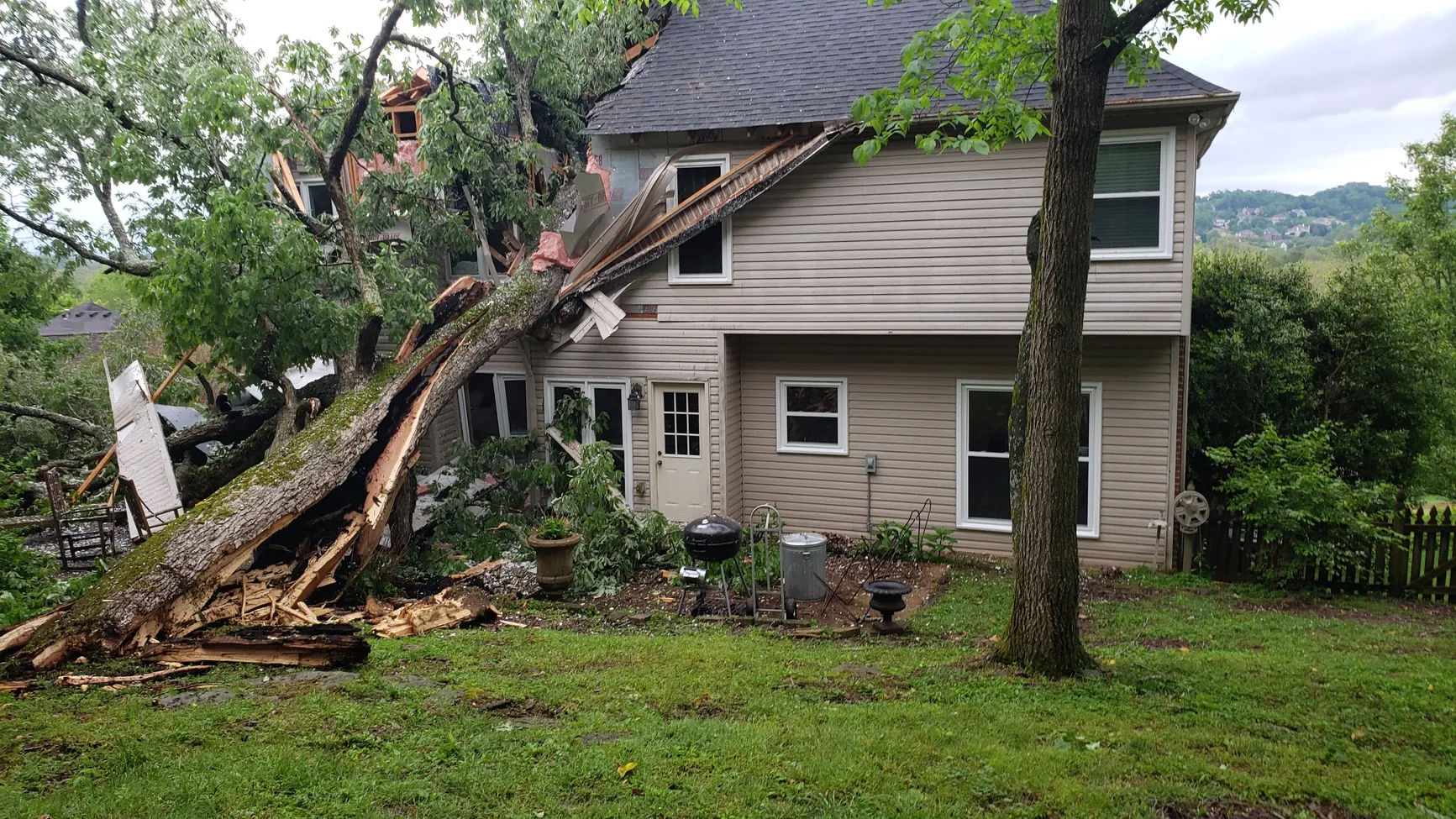
Common Questions
Leander Neighborhoods that use our tree services
Alterra | Bar W Ranch | Benbrook Ranch | Block House Creek | Bryson | Caballo Ranch | Carneros Ranch | Cold Springs | Connelly’s Crossing | Crystal Falls | Deerbrooke | Larkspur | Palmera Ridge | Reagan’s Overlook | Travisso
Georgetown Neighborhoods that utilize Tree Scouts
Berry Creek | Berry Creek Highlands | Cimarron Hills | Escalera Ranch | Georgetown Village | Oaks at San Gabriel | Parmer Ranch | Parkside on the River | Serenada | Sun City | Teravista | Water Oak at San Gabriel | Westlake of the Woods | Wolf Ranch | Gabriel(s) Overlook.
View all the locations we provide tree service to here